Source Custom Wood Table Number Display for Retail Shops, Home, and Exhibitions
Compare 30 listings for Custom Wood Table Number Display options from suppliers in China. Buyers can evaluate materials like wood and acrylic, customization services, and MOQs ranging from 1 to 500 pieces for retail shops, home use, and exhibition shows.
Key considerations
Products List
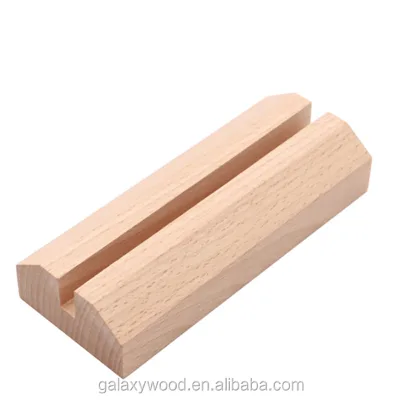
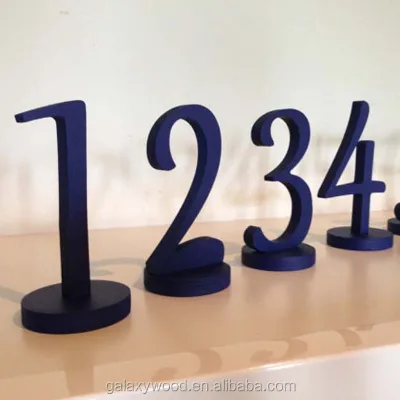


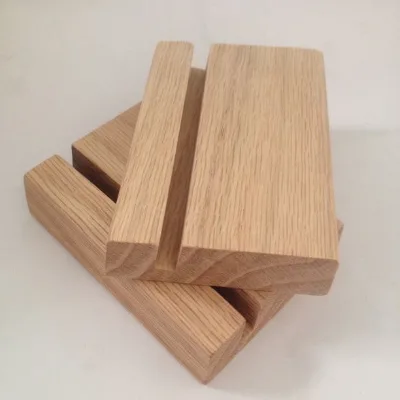


$160.00 - $200.00
MOQ: 100 Pieces

$150.00 - $180.00
MOQ: 100 Pieces


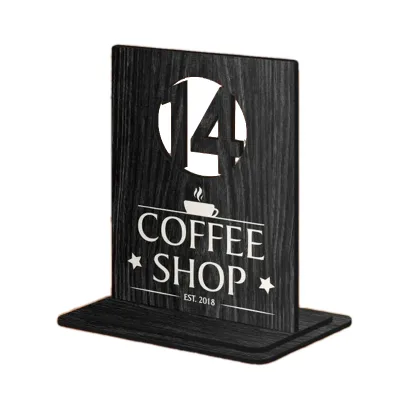


FSC&BSCI Wood Place Card Holders Wood Table Number Stands Picture Holder
$1.75 - $4.75
MOQ: 500 Pieces


Wooden Retail Sign Display Holder, Wedding Sign Holder Stand for Table, Menu Cover
$1.75 - $4.75
MOQ: 500 Pieces

FSC&BSCI Restaurants Hotels Stores Wooden Table Menu Display Stand Holder
$1.75 - $4.75
MOQ: 500 Pieces

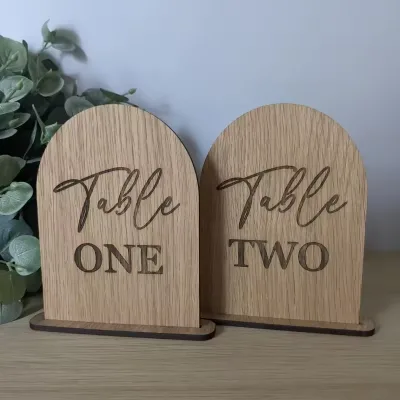


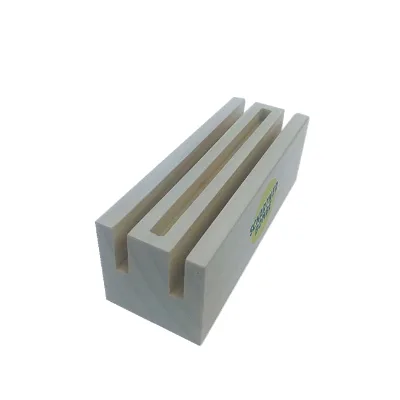
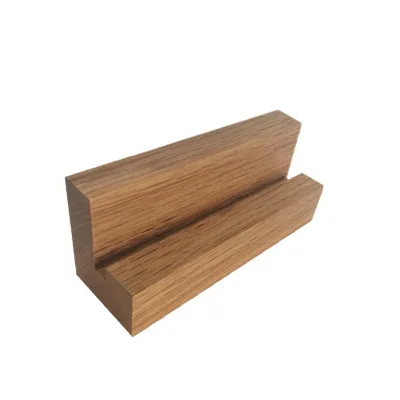
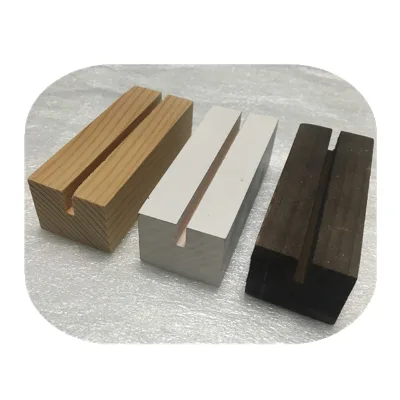
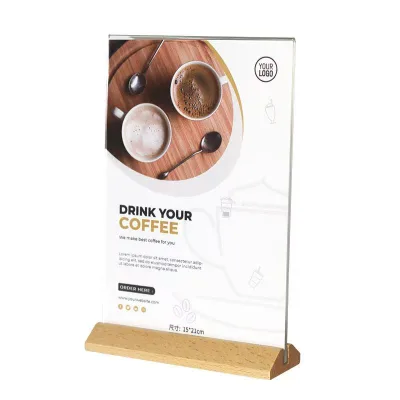

OEM Wood Display Stand Advertising Wooden Display Rack Retail Store Display
$48.00 - $69.00
MOQ: 50 Pieces

Comprehensive Sourcing Guide
Custom Wood Table Number Display Sourcing Guide
Sourcing custom wood table number displays requires a nuanced understanding of material properties, structural integrity, and aesthetic alignment with your brand identity. These items serve as critical touchpoints in hospitality, retail, and event environments, where durability and visual appeal directly influence customer perception. Unlike mass-produced plastic alternatives, wooden displays offer a tactile warmth and premium feel that can elevate the perceived value of a dining or shopping experience. However, the customization process introduces variables in lead times, finishing quality, and structural stability that buyers must carefully manage. This guide provides a structured approach to evaluating suppliers, verifying technical specifications, and ensuring that the final product meets both functional and aesthetic requirements without compromising on budget or timeline.
The procurement landscape for these items is diverse, ranging from simple acrylic-wood hybrids to complex multi-tiered storage units. Buyers often encounter listings that blend different materials, such as wood combined with metal or acrylic, to achieve specific design goals like enhanced stability or modern aesthetics. It is essential to distinguish between pure wooden displays and composite structures, as this distinction affects cleaning protocols, maintenance costs, and overall durability. Furthermore, the term "custom" can imply varying degrees of flexibility, from minor color adjustments to complete structural redesigns. Understanding the scope of customization offered by a supplier is the first step in defining a realistic project plan and avoiding miscommunication during the production phase.
Product Scope and Observed Listing Signals
The market for custom wood table number displays exhibits a wide range of product types, including dedicated table number holders, general store display racks, and multi-functional storage solutions. Observed listings indicate that products are frequently categorized under broader themes such as "Decoration" or "Store Display and Storage," which suggests that buyers should look beyond strict categorization to find versatile solutions. For instance, some suppliers offer units designed specifically for ornaments or clothes, which may be adapted for table number displays with minor modifications. This flexibility allows buyers to source integrated solutions that serve multiple purposes within a retail or hospitality space, potentially reducing the need for multiple distinct fixtures.
Price points and minimum order quantities (MOQs) vary significantly based on material complexity and customization depth. Data indicates a broad price range, with some basic units starting at very low costs while more intricate, branded designs command higher prices. MOQs also fluctuate, with some suppliers offering low entry points of just one piece, while others require bulk orders of 500 pieces or more. This disparity highlights the importance of aligning your order volume with supplier capabilities. Small businesses or pop-up events may benefit from suppliers with low MOQs, whereas large hotel chains or retail franchises might achieve better unit economics through higher-volume orders. Buyers must carefully evaluate whether the supplier’s MOQ aligns with their immediate needs and future scalability plans.
Technical Specifications to Verify
Material selection is the most critical technical factor, with wood being the primary component in many listings, often combined with metal or acrylic for structural support. Buyers must verify the specific type of wood used, as different species offer varying levels of hardness, grain visibility, and resistance to wear. Additionally, the finish plays a crucial role in longevity; polished surfaces provide a sleek look but may show scratches more easily, while matte finishes offer a more rustic aesthetic but may require different cleaning agents. It is also important to confirm whether the wood is solid, engineered, or veneered, as this impacts both the weight and the repairability of the display. Composite materials, such as wood-metal hybrids, offer enhanced stability but may complicate recycling or disposal at the end of the product's life.
Dimensional accuracy and structural design are equally vital for ensuring the display functions as intended. Listings often mention "customized size" and "customized color," which provides flexibility but requires precise communication of your requirements. Buyers should specify exact dimensions, including height, width, and depth, to ensure the display fits comfortably on standard table sizes without obstructing views or conversation. The design should also account for the weight of the table numbers or cards being displayed; lightweight acrylic inserts may require different support structures than heavier paper or cardstock. Furthermore, verify the stability of the base, especially for taller displays, to prevent tipping in high-traffic areas. Customization services, including logo printing and artwork design, should be clearly defined to avoid unexpected costs or delays.
Compliance and Safety Documentation
While specific safety certifications for wooden displays are not always explicitly listed, buyers should proactively request documentation related to material safety and fire resistance. In many regions, furniture and display items used in public spaces must comply with fire retardancy standards to ensure guest safety. Although some listings mention general certifications like ISO9001, which indicates a quality management system, this does not automatically certify the product’s compliance with local fire codes. Buyers should ask suppliers to provide test reports or certificates confirming that the wood and any adhesives or finishes used are free from harmful chemicals and meet relevant flammability standards. This is particularly important for hospitality clients who are subject to strict health and safety regulations.
Environmental and ethical sourcing considerations are increasingly important for modern brands. While some background data mentions potential certifications like FSC, buyers should not assume these apply unless explicitly confirmed by the supplier. Instead, inquire about the origin of the wood and whether it is sourced from sustainably managed forests. Suppliers who offer eco-friendly options, such as reclaimed wood or low-VOC finishes, can help brands align with their corporate social responsibility goals. Additionally, verify the packaging materials used; listings mention carton, wood box, and plate packaging, so buyers should request recyclable or biodegradable packaging options to minimize environmental impact. Clear communication on these fronts ensures that the product aligns with both regulatory requirements and brand values.
Cost Drivers and Commercial Terms
The cost of custom wood table number displays is influenced by several key factors, including material quality, customization complexity, and order volume. High-quality solid wood and intricate designs naturally command higher prices, while bulk orders can reduce unit costs through economies of scale. Buyers should also consider the cost of customization services, such as logo printing, engraving, or custom artwork, which may be charged separately. It is crucial to obtain a detailed quotation that breaks down these costs to avoid hidden fees. Additionally, verify whether sample costs are included or charged separately, as obtaining a physical sample is a recommended step before committing to a large order.
Shipping and logistics are significant components of the total cost, especially for international procurement. Listings indicate that shipping options include express, air, and boat freight, each with different cost and time implications. Express shipping is faster but more expensive, making it suitable for urgent orders or small quantities. Air freight offers a balance between speed and cost, while boat freight is the most economical for large, non-urgent shipments. Buyers should calculate the total landed cost, including duties and taxes, to accurately compare supplier quotes. Furthermore, clarify the Incoterms used in the quotation to understand who is responsible for shipping, insurance, and customs clearance, as this can significantly impact the overall budget and risk exposure.
Supplier Qualification and Quality Control
Evaluating supplier qualifications is essential to ensure reliability and consistency. Buyers should verify the supplier’s business license, production capacity, and experience in manufacturing wooden displays. Listings often mention locations in Guangdong and Jiangsu, China, which are known manufacturing hubs, but buyers should confirm the specific factory location and conduct virtual or on-site audits if possible. Check for relevant certifications, such as ISO9001, which indicates a commitment to quality management, but also look for evidence of consistent production quality through customer reviews or case studies. Suppliers who offer design and drawing artwork services can be particularly valuable, as they can help refine your design and identify potential manufacturing issues early in the process.
Quality control measures should be clearly defined before placing an order. Buyers should request a detailed quality control plan that includes inspections at various stages of production, such as raw material inspection, in-process checks, and final random inspection. Specify the acceptable quality limit (AQL) for defects, such as scratches, color mismatches, or structural weaknesses, and ensure that the supplier agrees to these standards. It is also advisable to request a pre-shipment sample or video inspection to verify the final product’s quality before it leaves the factory. Clear communication of your quality expectations and regular follow-ups during production can help mitigate risks and ensure that the delivered products meet your standards.
Long-Term Procurement Checks
Establishing a long-term relationship with a reliable supplier requires ongoing monitoring and evaluation. Buyers should track key performance indicators (KPIs) such as on-time delivery, product quality, and responsiveness to issues. Regularly review supplier performance against these metrics to identify areas for improvement or potential risks. Maintain open communication channels with the supplier to address any concerns promptly and to discuss potential improvements or new product opportunities. Building a strong partnership can lead to better pricing, priority production, and more flexible customization options over time.
Continuous improvement and adaptation are also crucial for long-term success. Stay informed about industry trends, new materials, and design innovations that could enhance your table number displays. Engage with your supplier to explore new options, such as sustainable materials or smart features, that could provide a competitive advantage. Additionally, regularly review your inventory and usage patterns to optimize order quantities and reduce waste. By maintaining a proactive approach to procurement, you can ensure that your table number displays continue to meet your brand’s evolving needs and standards, providing a consistent and positive experience for your customers.
FAQs
Can I customize the size of the wood display rack?
Yes, the product supports customized sizes to meet specific needs. The model GW--1476 allows for tailored dimensions while maintaining the natural wood material and polished technique for a premium finish.
What is the minimum order quantity for this item?
The minimum order quantity is one piece, though some listings indicate 500 pieces. This flexibility allows buyers to order samples or small batches before committing to larger wholesale volumes for retail stores.
Which certifications does the wood display stand hold?
The product holds ISO9001 certification, with some variants also listing SGS and ISO9001-2000 standards. These certifications ensure quality management systems are in place for the manufacturing of these display racks.
How can I get a sample of the wood holder?
Samples are available for this Custom Wood Table Number Display. Buyers can request a single item sample to verify the natural color, polished finish, and overall quality before placing a bulk order.
Where are these wood display racks manufactured?
These products originate from Guangdong, China, with some specifications noting Jiangsu, China. This location data helps buyers understand the supply chain and potential logistics for shipping via express, air, or boat.
What materials are used for the display stand?
The primary material is wood, with some models combining wood and metal. The natural color and polished technique highlight the material quality, making it suitable for indoor display in supermarkets and specialty stores.
Can I add a custom logo to the display rack?
Yes, customization is available including custom logos and colors. The design service welcomes artwork, allowing brands to create unique store displays that align with their specific retail identity and aesthetic requirements.